
A UAE bank verification message on WhatsApp. Real or not?
A WhatsApp message from a UAE bank asks you to verify your account. Why it is a scam and where to report it.
The Editors3 min read
The problem
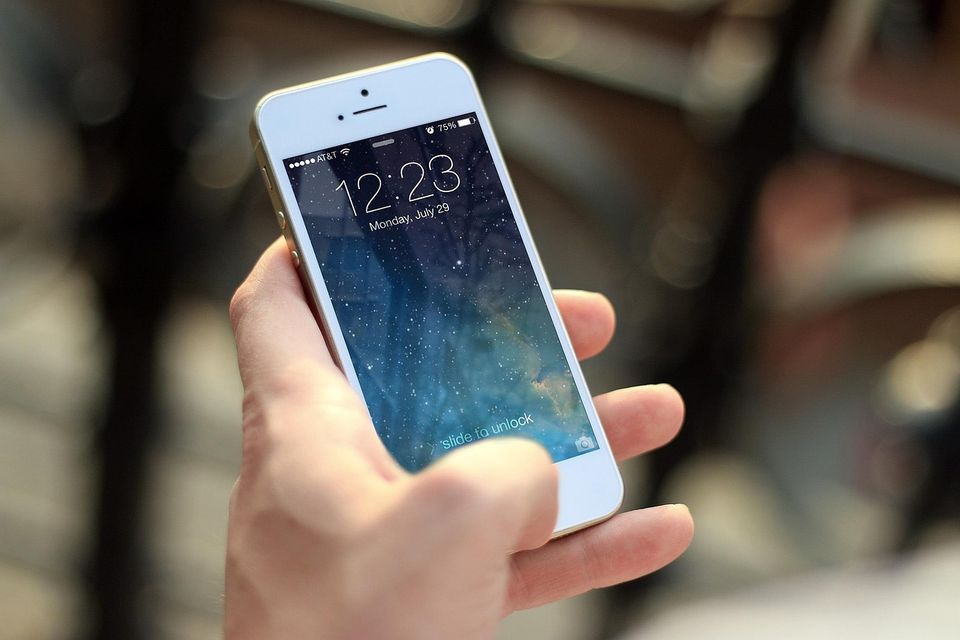
A WhatsApp message arrives, styled to look like it comes from a well known UAE bank, sometimes even using the Central Bank's own logo as the profile picture. It warns that an ATM card or account will be frozen or blocked unless it is "verified" or "updated" within a few hours, and includes a link, or a phone number to call, to sort it out immediately.
Tapping the link opens a page built to look like the bank's real login screen, asking for a card number, an online banking password, or a one-time code. Calling the number connects to someone posing as bank staff who asks for the same details over the phone instead.
How it can happen
The message copies real bank branding closely enough to pass a quick glance on a small phone screen, and the short deadline, often just a few hours, is designed to stop anyone from checking calmly before acting.
The Central Bank of the UAE has issued its own public warning about exactly this pattern, cautioning consumers about malicious WhatsApp messages of a fraudulent nature, including fake notices claiming an ATM card needs to be reactivated through a link or a phone number. Its warning is direct: it reminds consumers to protect their account and card details from fraud, and confirms that it never uses social media to contact people or businesses. No UAE bank verifies, unblocks, or reactivates an account through a WhatsApp link either, since that would create exactly the opening scammers rely on.
How to avoid it
Do not tap the link, and do not call the number in the message. Open the bank's official app directly, the way it is opened on any other day, or call the number printed on the back of the card. If the account genuinely needed attention, it will show up there.
Check the sender carefully. A profile picture that looks official proves nothing, since WhatsApp lets anyone set any photo and any display name. A real bank does not use WhatsApp to demand urgent account action, and neither does the Central Bank.
If a link has already been tapped or details already entered, contact the bank immediately through its official number to secure the account, and report the message through the UAE's official cybercrime reporting channel so the number and pattern can be tracked.
Things to watch
- A WhatsApp message with a "verify now" or "reactivate" link.
- An urgent deadline measured in hours.
- A logo or sender name that looks official but arrives through WhatsApp rather than the bank's own channels.
- A request for a card number, password, or one-time code through a link or over the phone.
- A phone number in the message rather than the one printed on the card.
This same push toward a link or a phone number shows up in messages asking for a one-time code directly. See the one-time code version of this scam for how that one plays out.
More to read
Keep reading

A caller says a courier will collect your cash, gold or card
A caller sends someone to your door to collect cash, gold or a card "for safekeeping". Why this is a scam, and the simple step that ends it.
The Editors4 min read

Bank calls you out of nowhere. Hang up and dial 159 first.
A bank calls you unexpectedly and asks you to move money. Hang up and dial 159. How the UK service works.
The Editors3 min read

A text says your bank saw fraud. What do you do?
A text from your bank about suspicious activity asks you to call or reply. How to tell if it is real, and why the next call matters more than the text.
The Editors3 min read

Someone from your bank's fraud department just called. Is that real?
No bank will ever call and ask you to move money to a safe account. How the fraud department call works, and the one step that ends it.
The Editors3 min read