
Your phone number can be taken over. How SIM swap fraud works
In a SIM swap, a criminal moves your number to their phone to catch your codes. How it happens, what carriers must now do, and how to protect yourself.
The Editors3 min read
The problem
Many of our accounts send a text message code when we sign in or reset a password. That makes the phone number valuable. If a criminal can get control of your number, those codes go to them instead of you.
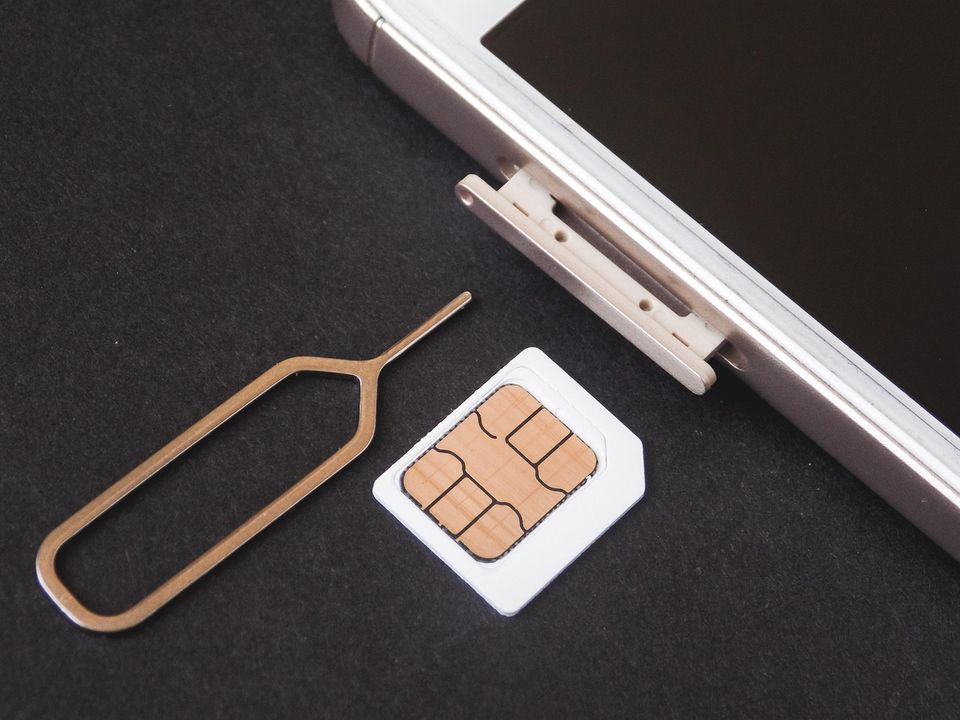
This is called SIM swap or port-out fraud. It does not need you to share anything on a call. It works by persuading a mobile provider to move your number somewhere else.
How it can happen
The FCC explains that carriers must now take steps against this. In November 2023, the FCC adopted rules on SIM swap and port-out fraud. They require wireless providers to verify a customer's identity using secure methods before moving a phone number to a new device or provider, and to alert customers right away when a SIM change or port-out request is made on their account. The rules set baseline requirements and let providers choose their own fraud protection measures.
The FTC explains that a scammer who has a password and a verification code together can move money out of savings or investment accounts.
How to avoid it
- Ask your provider what protection it offers for SIM changes and number transfers, and use it. The FCC leaves the choice of measures to providers, so the options differ.
- Look out for alerts. Because providers must notify customers about SIM change and port-out requests, a text or email about one you did not make deserves an immediate call to your provider on a number you know.
- Treat a sudden loss of service as urgent if the phone cannot make calls for no clear reason. Contact your provider from another phone.
- Never share a code. The FTC says anyone who asks for your verification code is a scammer.
- Hang up on callers who claim to be your provider and ask for your account PIN or a code. Ring the number on your bill.
- Tell your bank if you think your number has been taken, and change passwords for your key accounts.
- Report it. Use ReportFraud.ftc.gov, and see how to report a scam in the US for other steps.
If you have already shared codes or let someone in, follow what to do after you shared a code or gave someone access.
Things to watch
- A text or email from your provider about a SIM change you did not request.
- A phone that suddenly cannot make calls or send texts.
- Messages saying a password reset was requested.
- A caller who knows your details and wants a PIN or code.
- Codes arriving that you did not request.
A related scam, in which a stranger asks you to read out a code, is covered in the Google Voice code article.
More to read
Keep reading

Your phone keeps asking you to approve a login. What now?
Repeated approval prompts on your phone, or a caller who asks you to tap approve, are a sign that someone has your password. What to do, step by step.
The Editors4 min read

A call asking you to approve something on Nafath. Check this first.
A caller asks you to approve a request in the Nafath app. Why you should stop, and what to check first.
The Editors3 min read

Someone asks you to read back a code from a text. Do not
A buyer, a pet finder or a caller asks for a code texted to your phone. How the Google Voice verification scam works and why you never share a code.
The Editors4 min read

Your bank just texted asking for the code they sent you. Never send it.
A message asks you to send back the code your bank just texted. Why that code must never be shared and how the trick works.
The Editors3 min read