
Someone told you to protect your money at a Bitcoin ATM. Stop.
If anyone tells you to put cash into a Bitcoin ATM to protect your money, it is a scam. How the pattern works and what to do.
The Editors4 min read
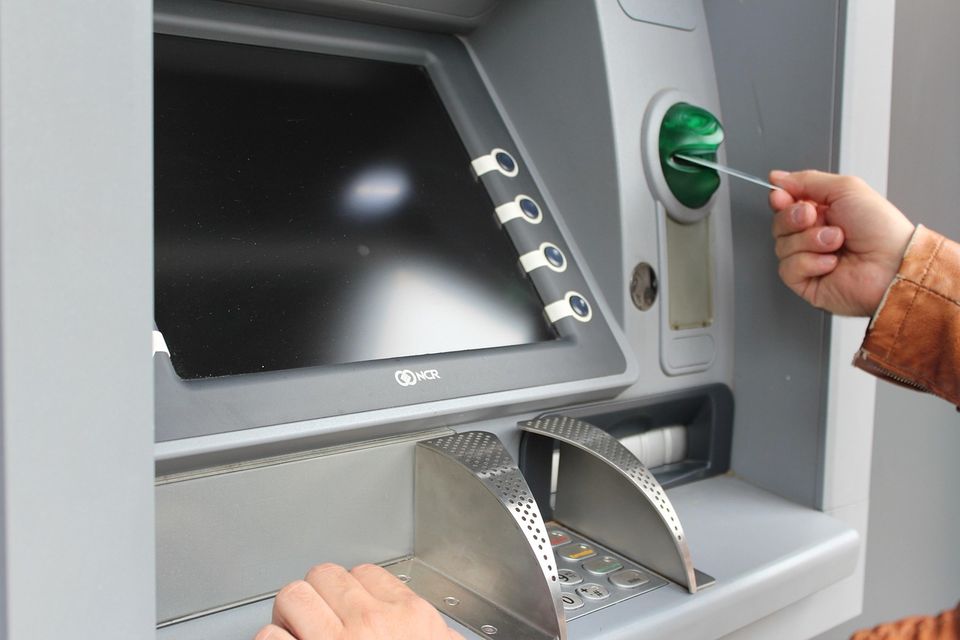
The problem
The pattern usually starts with an urgent call. The caller might claim to be from a bank, a government office, or even the police, saying money in an account is in danger and needs to be moved somewhere safe immediately. Sometimes it starts differently, as a prize notification, a fine that needs paying, or someone met online who suddenly needs help.
Whatever the opening line, it ends the same way. The caller stays on the phone and walks a person through withdrawing cash from their bank, driving to a store with a Bitcoin ATM, and feeding the cash into the machine. They send a QR code by text, ask for it to be scanned at the machine, and the cryptocurrency the machine issues goes straight to them.
Once that happens, the money is effectively gone for good.
How it can happen
Cryptocurrency ATMs look and work much like an ordinary cash machine, except instead of dispensing money they take cash in and issue cryptocurrency out, sent to whatever wallet address a QR code points to. That makes them fast, and because a cryptocurrency transfer cannot be reversed once it is sent, they are a favourite payment method for scammers.
The FTC has tracked a sharp rise in reported losses through these machines and is blunt about the rule: nobody from the government, law enforcement, a utility company, or a prize promoter will ever tell you to pay them with cryptocurrency. If someone does, it is a scam, every time. There is no legitimate reason for anyone to direct a payment through a Bitcoin ATM, no matter how official they sound or how real the emergency feels in the moment.
The caller staying on the phone during the walk to the ATM is part of the method, not a coincidence. It keeps a person from calling anyone else, checking the story, or having a moment alone to think it through.
How to avoid it
If anyone on a call, ever, tells you to withdraw cash and take it to a cryptocurrency ATM, stop and hang up. It does not matter what story came before it, whether a bank fraud team, a court fine, a lottery win, or a sick relative. No real institution completes a payment or a protective transfer this way.
If there is any doubt about whether an account is actually at risk, hang up and call the organisation directly using a number found independently, never one given by the caller and never one texted during the call. A genuine bank or government office will still be reachable, and will still have a record of any real issue, five minutes later on a callback.
If cash has already gone into a machine, contact the cryptocurrency ATM operator immediately using the receipt from the machine and ask whether the transaction can be reversed, and report it to the FBI's Internet Crime Complaint Center at ic3.gov with the transaction ID, wallet address, and kiosk location, since prompt reporting is what gives investigators the best chance of tracing it.
Things to watch
- Any instruction to visit a Bitcoin or cryptocurrency ATM.
- A caller who insists on staying on the phone while a payment is made.
- Urgency paired with secrecy, such as being told not to tell anyone until it is done.
- A QR code or wallet address sent by text during the call.
- Any request to pay a bank, a fine, a prize fee, or an online contact in cryptocurrency.
If a similar call involved a request to move money into a "safe" bank account instead, the pattern and the answer are the same. Read the bank fraud department call script for the other common version of this scam.

More to read
Keep reading

A stranger offers to manage your crypto. Is it real?
A message from an investment manager or friendly stranger promises crypto profits with little risk. How the scam works and the steps that keep your money safe.
The Editors4 min read

A recruiter texts you a job offer you never applied for
A text or email offers a remote job, a check or training fees. How fake job offers work, the signs to look for, and how to check a real employer.
The Editors4 min read

A rental listing looks too good. How to check it
Fake rental and marketplace listings ask for a deposit before you see the place. The red flags, a simple checking routine, and what to do if you paid.
The Editors3 min read
A text says you owe an unpaid toll. Should you pay?
A text claims you have an unpaid toll balance and a late fee. How the toll text scam works, how to check your real account, and where to report it.
The Editors3 min read
A text says your package could not be delivered. Real or fake?
A text about a missed parcel, unpaid postage or a delivery update asks you to click a link. How to tell if it is real and how to check your parcel safely.
The Editors3 min read